
- Originally printed: The Forum, February 1929
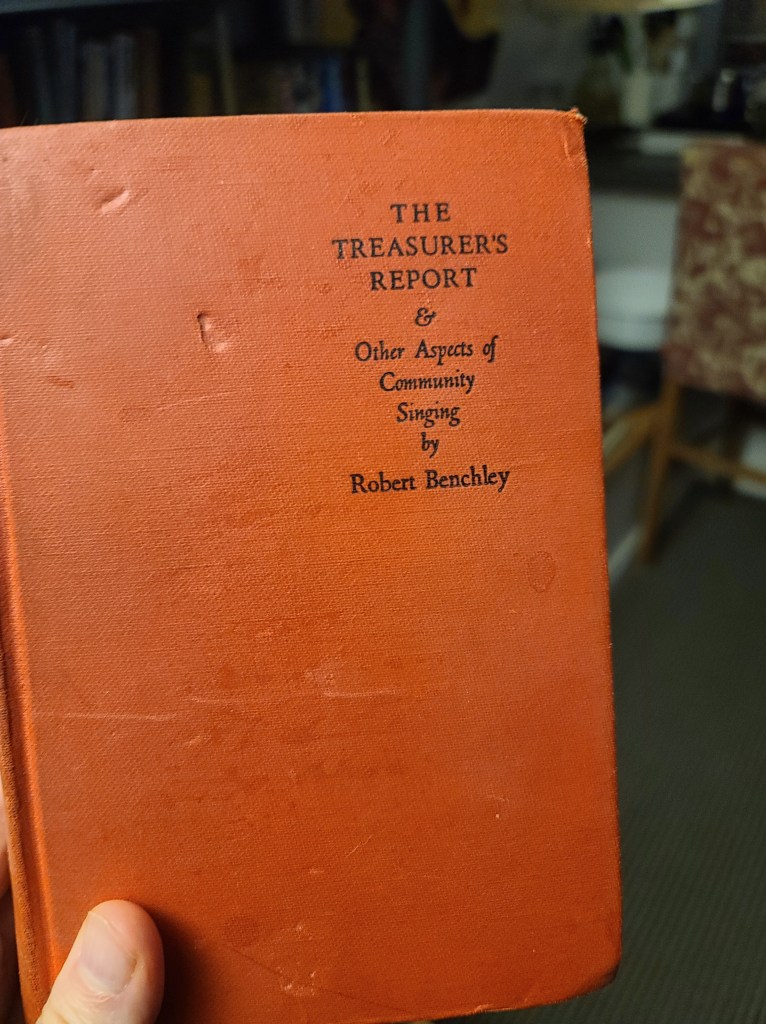
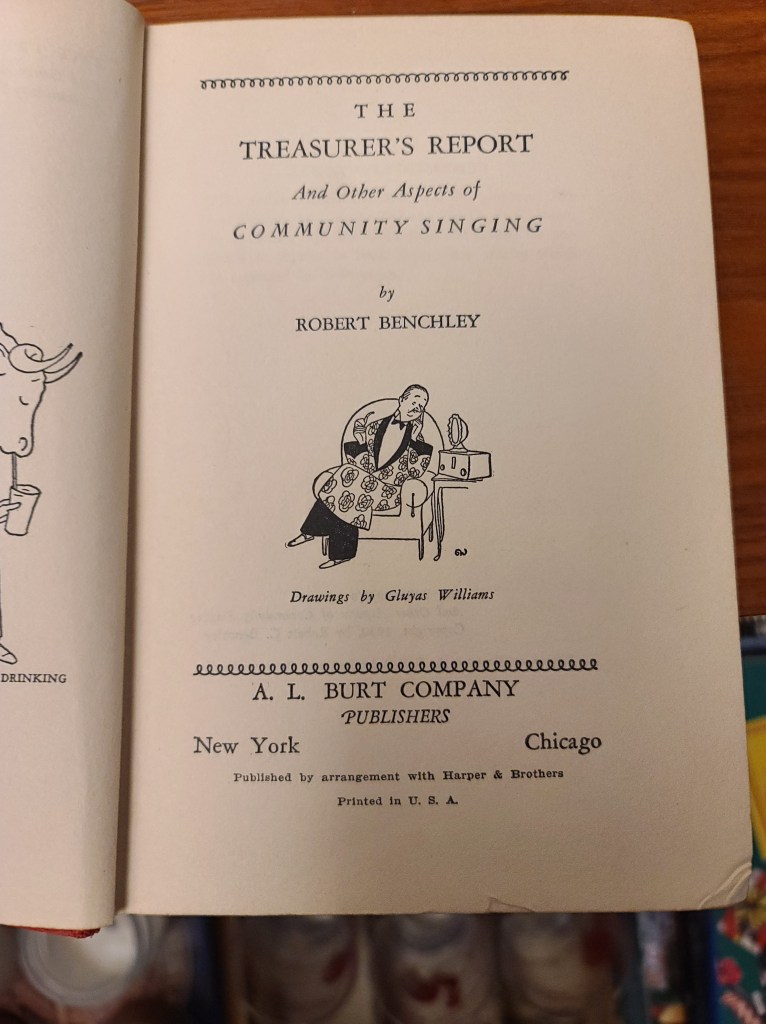
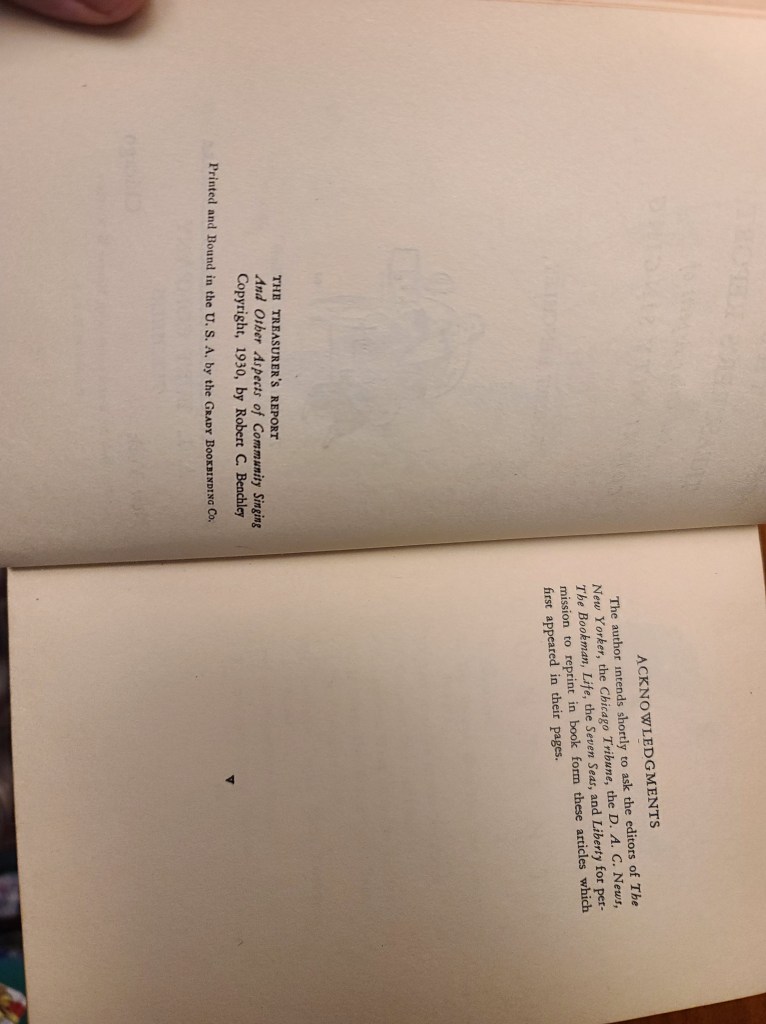
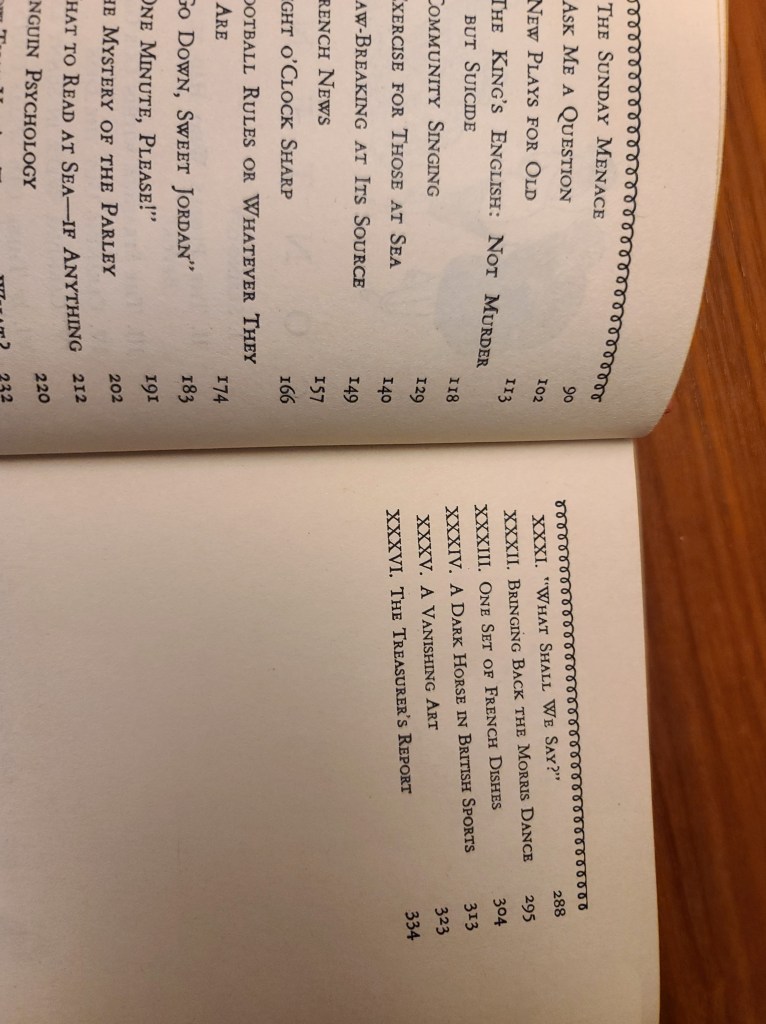
- First reprinted: 20,000 Leagues Under the Sea; or, David Copperfield
- Original Byline: Robert Benchley (Forum Table Talk)
🦉🦉🦉
Comments:
A truly fascinating slice of American discourse from the last month of the Coolidge Administration, in which Benchley startlingly asserts that the country’s satirists have more than made their point and can retrieve their pitchforks from the dead horse of Babbittry. In February 1929! After 8 years under the unchecked pro-business “normalcy” of Harding and Silent Cal? With that ballooning Wall Street ticker fixing to burst into a billion useless purchase slips in every “onset-of-the-Depression” movie montage you’ve ever seen? With Herbert Hoover and his disastrous platitudes a week or two away? Hard to discern any hint of this triumph of the public intellectuals over the chamber of commerce on any Jazz Age electoral map.
Of course, that’s not really Benchley’s concern. We’re very far from class analysis in this essay. It’s a matter of aesthetics. He was all for the Sinclair Lewis school, he tells us, when they undertook to bore into the moribund minds of businessmen, opening up a belated, and purely psychological, new front in the Progressive critique of America. One which has outlasted the political death of Progressivism at the polls in late 1920. This made for quite a literary trend, and perhaps a necessary one, what with the cultural overvaluation of the entrepreneurial ethos that had persisted like a bad hangover from the Gilded Age. Then, as now, business jargon was ridiculous, and eminently worthy of a send-up, but what gets sent up must eventually come down. How many of these searching parodies did we need? Not nearly as many as we got, he contends. We all know what’s wrong with these guys now. Even they know it! With Babbitts and Rotarians policing each other’s philistinism on golf courses and at country club luncheons across the nation, who needs satirical novelists? Better to declare mission accomplished, Benchley argues, before the public starts wondering how much these vaunted writers are earning by running up the rhetorical score on Main Street.
Favorite Moment:
For there was a time, not so long ago as the crow-eater flies, when the man who wrote for his living was the butt for jokes around the very conference table which he now throws pop bottles at. There was a time when anyone who made his living by writing was an impractical sap, gifted along certain lines, perhaps, but lines which led nowhere and contributed nothing to the State. If he was spoken to at all by the geniuses of business and organization, it was with fine scorn and in words of two syllables.
Reprint Notes:
- Illustration on page LXVI of The Forum was not reprinted.

 Benchley Data: A Wayward Annotation Project